
Our Services
BEEF EATING QUALITY

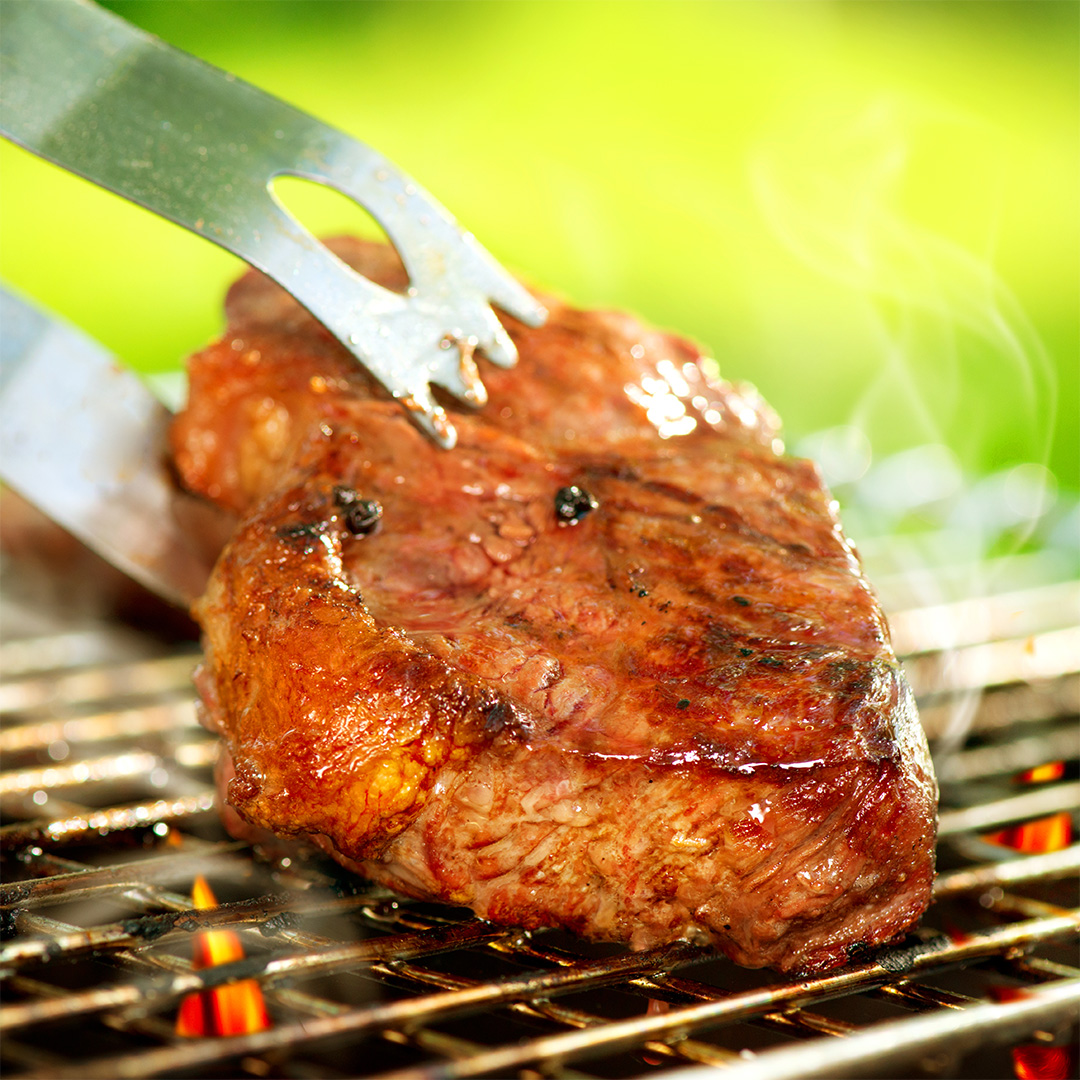
There are a lot of interpretations about what governs beef eating quality. Some of them relate to on-farm factors (e.g. genetic, nutrition, growth path, fatness etc.). However, many recent studies demonstrates that the post-slaughter environment also matters. These effects have been accurately defined through numerous research gathered by Meat & Livestock Australia (MLA) and used to create the revolutionary, consumer-driven and the world’s only cuts-based beef eating quality standard based on the beef grading system called MSA (Meat Standards Australia).
Our Partners
ABOUT MLA AND MSA
Meat & Livestock Australia Ltd (MLA) is a service provider which delivers world-class research and development outcomes to the red meat industry in Australia. Together with Australian scientists and researchers MLA developed Meat Standards Australia (MSA) – the world’s leading eating quality grading program for beef and sheep meat. The system is based on almost 1.7 million consumer taste tests by more than 250,000 consumers from 13 countries, and takes into account all factors that affect eating quality from the paddock to plate.
The MSA system in Australia, is now acknowledged as one of the world’s best beef grading systems which describes meal outcomes for different cooked meal types from over 80 beef cuts including adjustments for ageing and packaging. Over 3.5 million Australian cattle are graded annually adding $253 million value to farm returns in 2023/24 (find report here).
Understanding
BEEF EATING QUALITY IN EUROPE AND OTHER REGIONS
An assessment of beef eating quality through standardized methods would allow the identification and development of the most sustainable strategies (United Nations Economic Commission for Europe, 2015).
The inconsistency in beef eating quality is considered a key reason for the decline in beef consumption and value across Europe. Consumers often struggle to select beef with the desired eating quality based on price, appearance, or the limited information available at the point of sale.
The European market currently trades beef carcasses based on the European carcass grading system which uses visual assessment processes to give a score for both muscling and fatness. Its strong presence in the market has greatly influenced the development of the European beef industry, encouraging the production of heavily muscled, high yielding carcasses with moderate fat cover. However, the relationship between the European carcass grading system and consumer eating quality is at best weak. This is why current system should operate in parallel with an eating quality based grading system like Australian MSA.
Consumers eat meals not carcasses.

Own It
Global Guaranteed Grading

Drawing on extensive experience and existing database, the International Meat Research 3G Foundation collaborates with international researchers and research organisations within the framework of the United Nations Economic Commission for Europe (UNECE) to develop global standards for consumer testing and grading methodologies of beef.
This system is for the benefit of not only the consumer but the entire supply chain as well.

Benefits Of
Implementing Beef Eating Quality Management System
Benefits for researchers:
Validated, multi-country research data for scientific analysis and industry benefit
Greater accuracy for prediction modelling based on collaborative matrix of consumer and cattle data by country
More efficient use of research investments
Substantive support in the analysis of data in terms of the eating quality of meat
Benefits for farmers and meat processing plants:
Improvement of operational efficiency and profitability
Reduction of production losses
Better quality final products, leading to higher customer satisfaction and greater demand from retailers
Information and tools to make on-farm management decisions to improve eating quality of livestock

Guarantee of consistent meat product quality
Better identification of customer preferences
Increase customer satisfaction and loyalty
Underpinning existing labels and brands by promoting the differentiation of high-quality / premium beef
New marketing perspective, e.g. communicating correct cooking method for each cut