IMR3G
About Us

Our Story
Founded in 2017



The principles being used to guide development of the Foundation has been acknowledged and supported by the UNECE.


About Us
What We Do

Research & Development
We are involved in R&D projects targeted at/to enhancing the eating quality of meat (e.g. H2020 INTAQT project, Polish beef culinary quality management system profitable for farmers)

Collaborative & Inclusive
We co-operate with researchers who want to contribute to the global Eating Quality DATAbank, that assists in the management of international research trial designs and sensory data in terms of meat eating quality research including bespoke software to aid strong statistical design and coordination between global members.

3G Quality Grading System
We are developing the Global Guaranteed Grading (3G) system for beef to set a new standard in eating quality assurance for Europe

Standardized Sensory Testing
We enable standardised consumer sensory testing protocols applied for continuous improvement in beef quality systems and to ensure data from multiple members is fully compatible and able to be aggregated for more powerful analysis.

Global Beef Quality Research
We support organisation of national and international eating quality research for beef

Certified Chiller Assessor Training
We are Accredited by Aus-Meat to train and accredit beef Chiller Assessors
About Us
Our Successes
The International Meat Research 3G Foundation is a not-for profit platform for researchers and meat professionals. We aim to improve consumer satisfaction of meat products through facilitating the application of global collaborative meat research knowledge throughout entire supply chains.
Development of Meat Quality Standards
One of our earliest and most significant achievements was establishing comprehensive meat quality standards that account for key factors such as marbling, tenderness, and aging processes. Widely adopted across the meat industry, these standards support producers in consistently meeting consumer expectations for quality. The Foundation has also played a vital role in refining grading systems, enhancing their reliability and focus on consumer satisfaction.
Research on Meat Tenderness
We have supported cutting-edge research on the factors influencing meat tenderness, including muscle biology, carcase suspension, genomic and hormonal interactions, post-slaughter handling, packaging systems and aging techniques. This research has provided valuable insights that have led to the optimization of processes such as dry aging and wet aging, which significantly enhance the tenderness and flavour of beef and other meats.
Consumer Sensory Testing Programs
To ensure that meat quality standards align with consumer preferences, we have implemented extensive sensory testing programs. These programs involve untrained consumer panels from different regions and demographics, providing feedback on the tenderness, juiciness, flavour and overall liking and the relative importance of each of various meat cuts and their interaction with cooking method and ageing. This data has been instrumental in refining quality standards and guiding meat producers in improving their products. The demographic data, currently available from over 200,000 consumers from 12 countries over a 30-year period also enables standards to be adjusted to suit specific consumer locations and livestock production systems.
Collaboration with Producers and Processors
We work closely with meat producers, processors, and retailers to maintain quality control throughout the supply chain. By establishing guidelines for handling, packaging, and storage, the Foundation has reduced variability in meat quality, ensuring that consumers receive guaranteed eating quality meat products.
Promotion of Meat Aging Techniques
We strongly advocate for meat aging techniques, focusing on educating producers and consumers about the benefits of both dry and wet aging, the interaction of many factors from suspension to retail packaging, and the very different individual muscle ageing effect. We describe the eating quality of individual meal portions, not a vague “all of carcase” grade. Our research has demonstrated that controlled aging not only enhances tenderness but also enriches the flavour profile of meat, making it a preferred method for premium cuts.
Training and Education Programs
We have launched several training programs designed to enhance the skills of butchers, chefs, and meat industry professionals in assessing and improving meat quality. These programs emphasize the significance of proper handling techniques, effective cutting methods, and the selection of high-quality meat cuts based on established grading standards.
Global Recognition of Eating Quality Standards
One of our key successes has been the promotion of eating quality standards on a global scale. Through partnerships with international meat associations and research institutions, the Foundation has standardized quality criteria across borders, ensuring that consumers worldwide can enjoy meat that meets the same high standards.
Innovations in Flavour and Marbling
We are at the forefront of research on how marbling (intramuscular fat) contributes to the flavour and juiciness of meat. By identifying the ideal balance of fat and lean tissue, the Foundation helps producers target specific quality attributes that enhance the eating experience of meat.
Focus on Sustainable Practices
While our primary focus is on eating quality, we also recognize the importance of sustainable practices in the production process. By collaborating with UNECE and meat producers who prioritise animal welfare, environmental stewardship and ethical farming practices, the Foundation ensures that high-quality guaranteed eating quality meat is produced responsibly and sustainably. We also have active engagement in researching livestock stress though long distance transportation to improve welfare and identify best practice to minimise and recover.
Certification and Labelling Programs
To help consumers easily identify high-quality meat, we have developed certification and labelling programs. These initiatives highlight meat products that meet the Foundation’s stringent quality standards, empowering consumers to make informed choices when purchasing meat.
Eat Healthy, Eat Beef
Scientific Reference Group


Poland
(PBA/SGGW)

Northern Ireland
(AFBI)

USA
(Texas Tech)

Ireland
(Teagasc)

Australia
(MLA)

France
(INRAE & IDELE)
England
(AHDB)

Wales
(BeefQ)
Scientific Reference Group
Members of SRG

Dr Rod Polkinghorne
SRG Chairman

Dr Jean-François Hocquette (INRAE)
Expert Group Ontology Chair

Dr Linda Farmer
Flavour Expert Group Chair

Janine Lau
Scientific Integrity Lead
Mark Miller
USA Projects/Data Representative
Agnieska Wierzbicka
Scientific QA Chair
Isabelle Legrand
French Projects/Data Representative
IMR3g Team
The Board
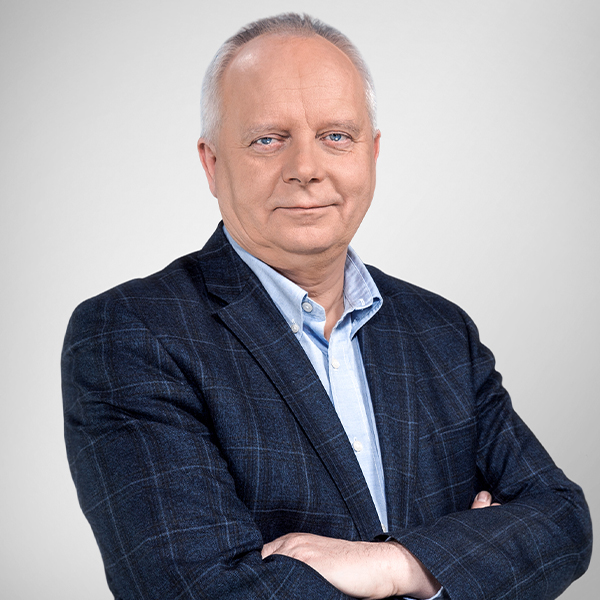
Jerzy Wierzbicki
President of Polish Beef Association
Jean-François Hocquette
President of the Cattle Study Commission of EAAP
Dr Rod Polkinghorne
Leader of Meat Standard Australia project

Sarah Strachan
Group Manager – Meat Livestock Australia

Declan Troy

John Webster
Director of AgStrat Associates
IMR3G
Management Board